


Cystitis is a common disease of the genitourinary system.Treatment is successfully carried out with the help of medication;The main signs of cystitis in women are as follows: pain when urinating, abdominal pain, blood in the urine.
If 50 years ago it was difficult to cure this disease, today numerous drugs for cystitis in women have appeared, with the help of which you can effectively get rid of this unpleasant disease.When you notice the first symptoms, it is advisable to see a doctor.Only a specialist can correctly select an effective remedy for cystitis that is suitable for a particular woman.
Forms of cystitis
There are two forms of the disease:
- Spicy.The acute form is characterized by symptoms such as pain when emptying the organ, a persistent burning and itching and, in some situations, an increase in temperature.
- Chronic.When speaking of the chronic form, one must note the ability for periodic resumption of pain.The recurrence of the disease is purely individual and often due to a triggering circumstance.
Regarding the different occurrence of these two forms, it should be noted that the acute form becomes a kind of pre-existing illness.The cause of this may be improper therapy.
This disease is not limited to the above classifications;Other causes are often identified.
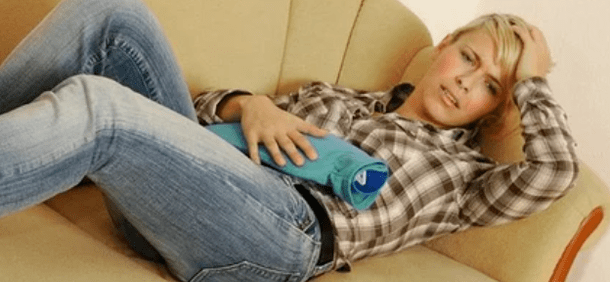
Reasons and description
Cystitis is not limited to the age category.
In most cases, the disease is caused by a number of circumstances, such as:
- Excessive freezing of the pelvic organs;
- microtrauma or violation of the integrity of the organ walls;
- Sitting for long periods of time;
- Poor diet;
- The presence of gynecological or sexually transmitted diseases in the chronicle;
- presence of inflammatory localizations;
- sex without protection;
- Non-compliance with hygiene regulations.
Cold can also be the main cause.The most threatening factor is hypothermia of the legs and pelvis.For this reason, female representatives are forbidden to sit in the cold in winter, wear underwear made of thin fabrics or wear light shoes.
The disease can also be provoked by prolonged sitting while sitting, as blood circulation is impaired.If a woman is forced to sit for 5 hours at work, she needs to get up as often as possible and maintain quarter-hour intervals.
The presence of an inflammatory process in the pelvic area allows the spread of microorganisms to neighboring organs of the urinary tract.Therefore, all infectious diseases of the reproductive system should be eliminated promptly and completely.
The circumstances of the occurrence of a cystitis are often disorders in the hormonal system and a lack of vitamins.
Separately, we can highlight the reason that provokes the appearance of cystitis.This is a banal non-compliance with basic hygiene.
There is a risk of developing the disease if:
- Rare replacement of tampons or pads during menstruation;
- vaginal and anal sex;
- use of synthetic underwear;
- Daily use of sanitary pads;
- Using toilet paper from the anus to the vagina;
- Situations in which the urge doesn't always go to the toilet.
The bladder should be emptied five times a day.If rare, infection of the bladder walls helps with stagnation and breakdown of urine.
In 90% of infectious episodes they are caused by pathogens such as E. coli or staphylococci.Microorganisms enter the organ via the ascending tract - from the anus through the rectum through the urethra.
Types of drugs used to treat cystitis
This disease can be cured by different types of medications:
- antibiotics;
- Herbal medicines;
- Non-steroidal anti-inflammatory drugs;
- antispasmodic medications;
- Prebiotics.
Antibiotics
Medicine today does not stand still and has synthesized many means to combat pathogenic microbes.
Used for therapeutic purposes:
- oral cephalosporins;
- Inhibitor-protected penicillins;
- fluoroquinolones;
- nitrofurans;
- macrolides;
- Phosphonic acid.
The use of these drugs must be prescribed by a doctor after passing all the necessary tests to determine the sensitivity of microorganisms to the effects of various antibiotics.
Usually, in the acute stage of this disease, the use of new drugs is practiced without identifying the cause of the disease.However, with the exception of the relapse stage, a visit to a specialist and a diagnosis are still required.
The difference between treatment of acute and chronic cystitis
Undoubtedly there are differences.First, in the acute stage of cystitis, antibiotic sensitivity testing is not always provided.
How to cure cystitis without antibiotics?
This disease can be cured without the use of antibiotics, but only if treated to a mild extent.For this purpose, medicine has herbal medicines in its arsenal.
Herbal remedies
Natural origin is relevant not only for food, but also for pharmacological drugs.Herbal remedies are widely used these days.
This fact is natural, since herbal components are similar to human nature and work largely without any harmful effects.Herbal remedies are also used in therapeutic measures against cystitis.
These are usually medications with the addition of medicinal chamomile, cranberries and St. John's wort, which have an antibacterial and diuretic effect.
Herbal remedies offer a very gentle therapeutic effect.The main advantage of these drugs is their safety of use (there are almost no contraindications and side effects, except allergies to some components).Nevertheless, one must remember that herbal remedies are good when combined with other therapeutic methods, and it is not a fact that they can independently eliminate such a complex pathogen as an infection.
Other means
Probiotics and estrogen drugs are prescribed for cystitis, which is due to disorders of the normal microbiocenosis of the pelvic organs, as well as the insufficient presence of female sex hormones in the body.
Many experts recommend following special diets when treating cystitis.
Antispasmodics
In therapeutic measures against cystitis in women, medications such as antispasmodics are often used.
Antispasmodics include drugs that relieve spasms of the smooth muscles of internal organs, weakening them and thereby reducing pain.They have a wide spectrum of action, antispasmodic drugs eliminate discomfort of any complexity due to cystitis.
Drugs in this group not only eliminate spasms, but also reduce the urge to urinate due to relaxation of the sphincter, thereby also neutralizing the painful signs of cystitis.
The most common prescription for cystitis is myotropic antispasmodics.An indisputable advantage of the drugs in this group is their rapid action;Painful symptoms are relieved relatively quickly, which has a major impact on the patient's well-being.And quite cheap in price.
NSAIDs
NSAIDs (non-steroidal anti-inflammatory drugs) are prescribed by the doctor if the disease is accompanied by severe pain.
Probiotics
Probiotics have the ability to restore the normal microflora of organs.These include microorganisms that are beneficial to human health.Probiotics restore the beneficial microflora of the organs, and since the likelihood of recurrence of cystitis depends on the state of the microflora, antibiotics used in therapeutic measures can damage the internal structure of the tissues of the urogenital organs.
Probiotics are becoming an effective disease prevention measure.
It makes sense to use drugs containing lactobacilli.
The required content of the drug is biosynthetic lactic acid and its buffer salt particles.However, this medication must be taken with caution;It can have some side effects (disorders of the gastrointestinal tract, allergies).We can therefore conclude that there are currently numerous medications available for both the treatment and prevention of cystitis.Therefore, it will not be difficult to choose the ones that are suitable for you.The main thing is to entrust this choice to professionals in order not only to restore, but also maintain your health.
Doctors' recommendations
Acute cystitis is the most common, so you need to consider what medications may be prescribed for cystitis.
Pharmacological measures that can eliminate this disease include:
- Prescribing antibacterial drugs.
- Herbal medicines- Medicines or herbal mixtures.
- Antispasmodics- make urination easier and relieve pain.
- Probiotics— Restoration of the microflora of the intestines and vagina.Thanks to their action, the condition of the urinary tract improves.
Before taking antibiotics, you must undergo an examination - take a blood, urine and vaginal microflora test.
Postmenopause
Risk factors for acute cystitis in postmenopausal women include insulin-dependent diabetes mellitus and the presence of urinary tract infections.Some studies have shown that sexual activity, urinary incontinence, vaginal dryness, and bladder capacity are not associated with acute cystitis in women of all ages.On the other hand, some studies in this area have shown a connection between the development of the disease and sexual intercourse, increased urine volume, cystocele and previous operations in the urogenital system.Cystoscopy sometimes detects a bladder diverticulum, which in some cases can predispose to recurrent urinary tract infections.
Prevention
A woman's urogenital system is predisposed (due to its anatomical structure) to the development of pathological diseases.Therefore, you should follow a number of rules that will help avoid the occurrence of cystitis.
To do this you need:
- Avoid hypothermia (do not sit on damp ground, wear warm clothes in the cold season).
- Try not to eat dishes that contain a lot of hot and salty spices.
- Limit consumption of strong alcoholic beverages and strong teas and coffees.
- The daily diet (including first courses) should contain at least 2 liters of liquid.
- When your period comes, change your personal care products more often.
- Avoid overfilling your bladder and go to the toilet on time.
- Wear loose underwear, not made of synthetic material.
- Stay with one partner in your intimate life.